Vibrant prints, Endless possibilities


At SubliVibe we do prints on various items

Sublimation printing is a digital printing technique that transfers designs onto materials using heat and special sublimation inks. The ink transforms from a solid to a gas (sublimes) when heated, permanently bonding with the material, creating vibrant, long-lasting prints.

Cube light up Clock

Digital clock includes 3 aluminum inserts to sublimate on which are then stuck to the adhesive sides. This colour changing clock is powered by 3 AAA batteries. The digital clock shows time, day/date/month and temperature. The digital clock features 7 different coloured lights
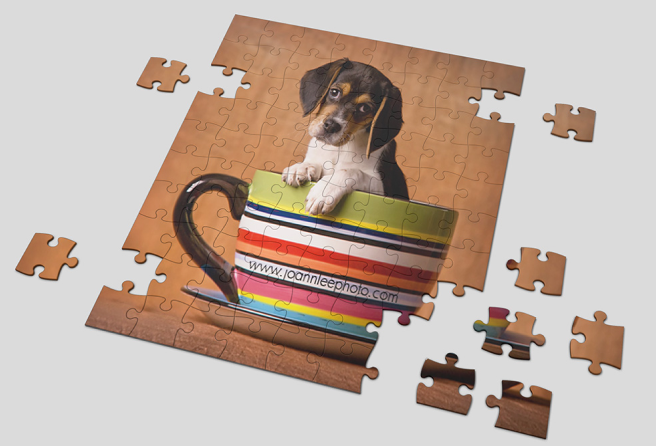
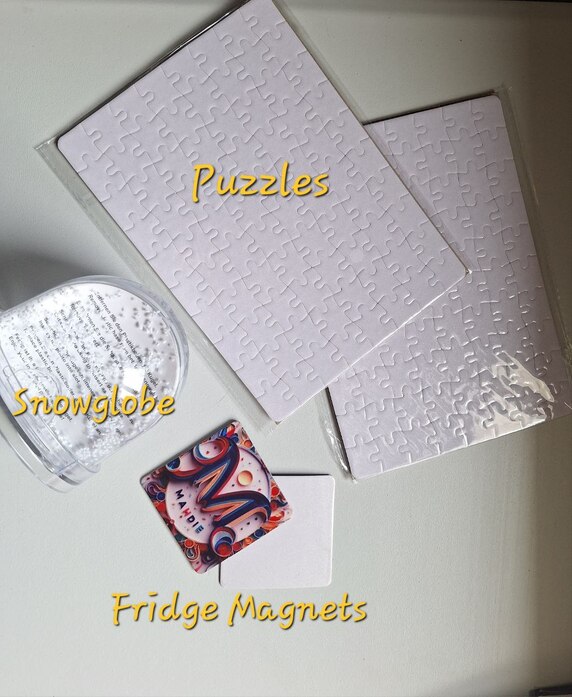
Puzzle

High quality 29x20cm A4 MDF puzzle with 24 pieces. Built for full colour sublimation printing. Durable, smooth and perfect for personalized or corporate gifting
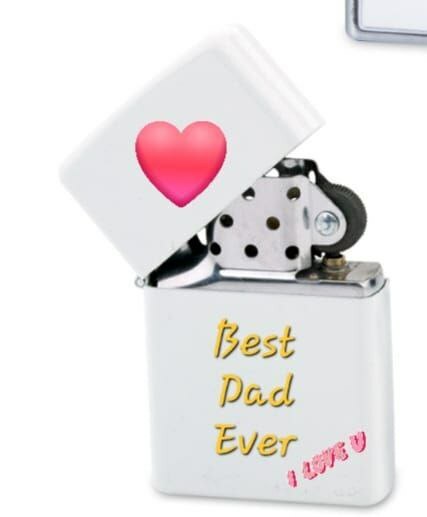
Zippo Lighter

Made from high quality materials, this versatile blank offers endless possibilities for adding full colour graphics, logos and text . Its durability ensures long lasting impressions, making it the perfect choice for personalized gifts that leave a lasting impact
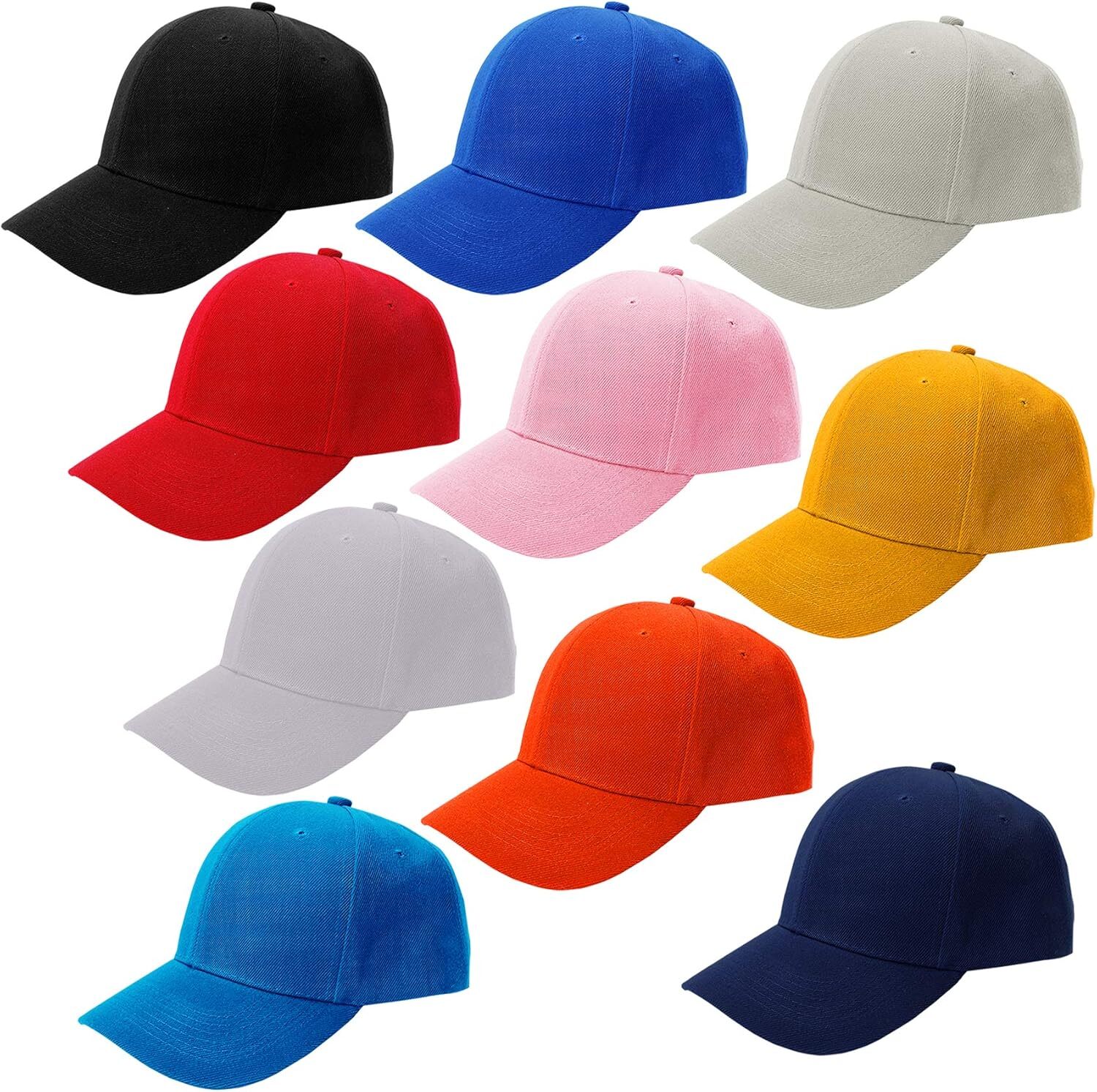
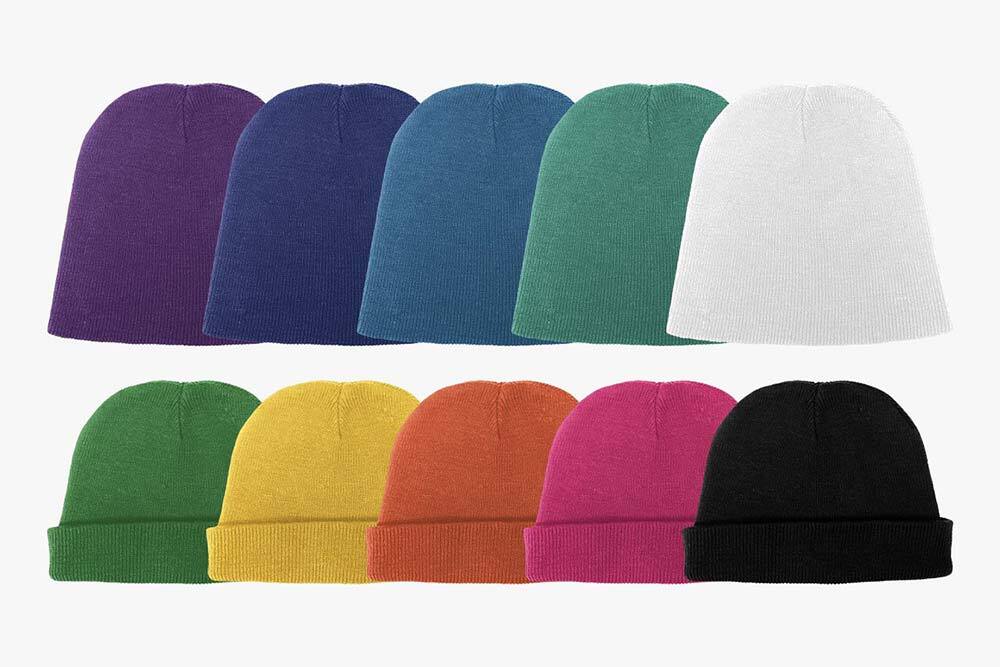
Caps

For the best sublimation results on caps, opt for those made of 100% polyester or poly-coated materials. These materials are specifically designed to bond with sublimation ink, allowing for vibrant and durable designs.

Beanies

For sublimation printing on beanies, the best materials are polyester or poly-coated fabrics. Polyester allows the ink to penetrate and bond effectively, resulting in vibrant and long-lasting designs. Specifically, 100% polyester beanies are highly recommended due to their resistance to wrinkles, shrinkage, and fading.

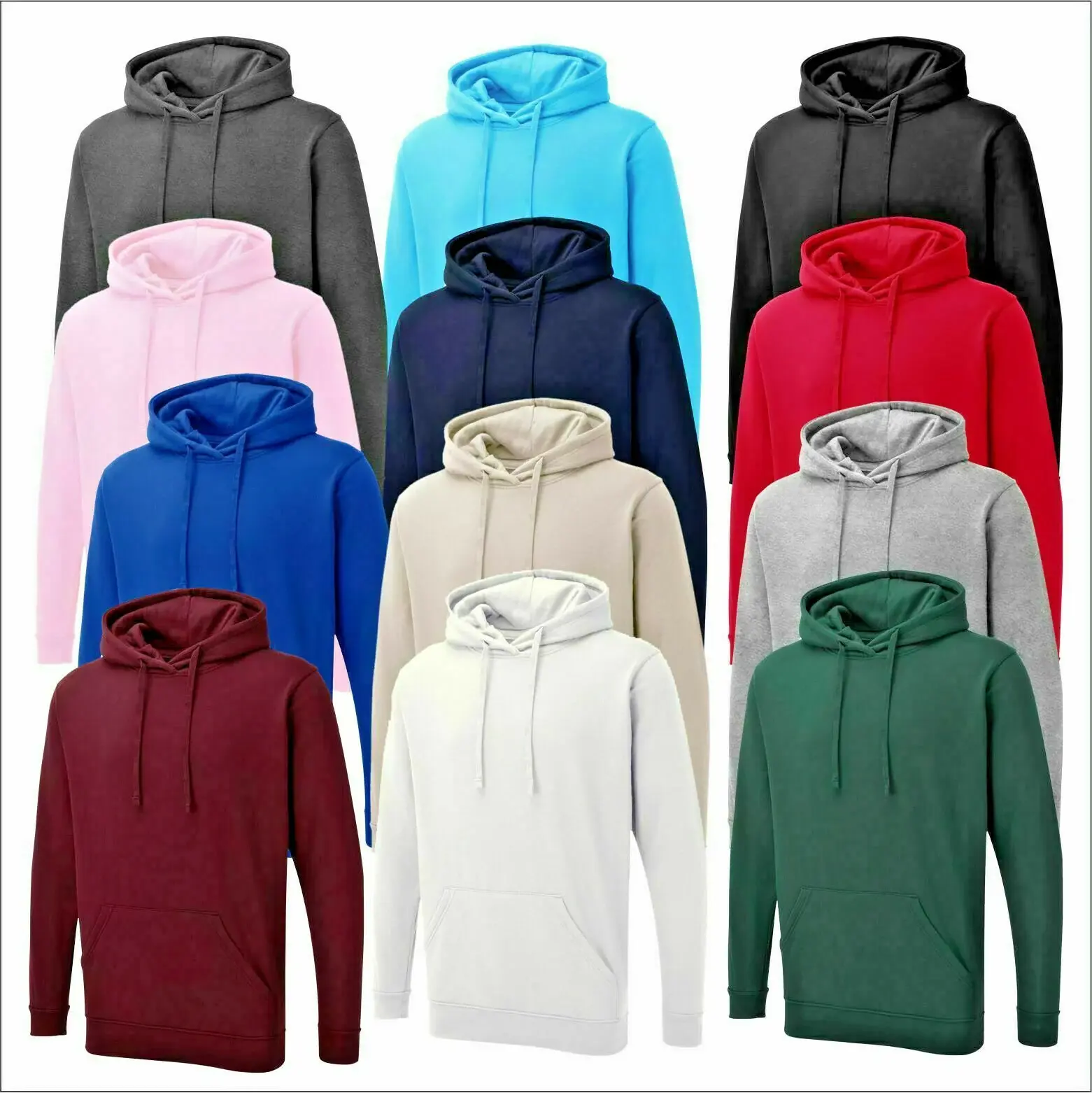
Hoodies

For the best results with sublimation printing on hoodies, 100% polyester hoodies are the ideal choice. They offer superior color retention, vibrant images, and resist fading and shrinkage. However, hoodies with at least 65% polyester can also produce satisfactory results.

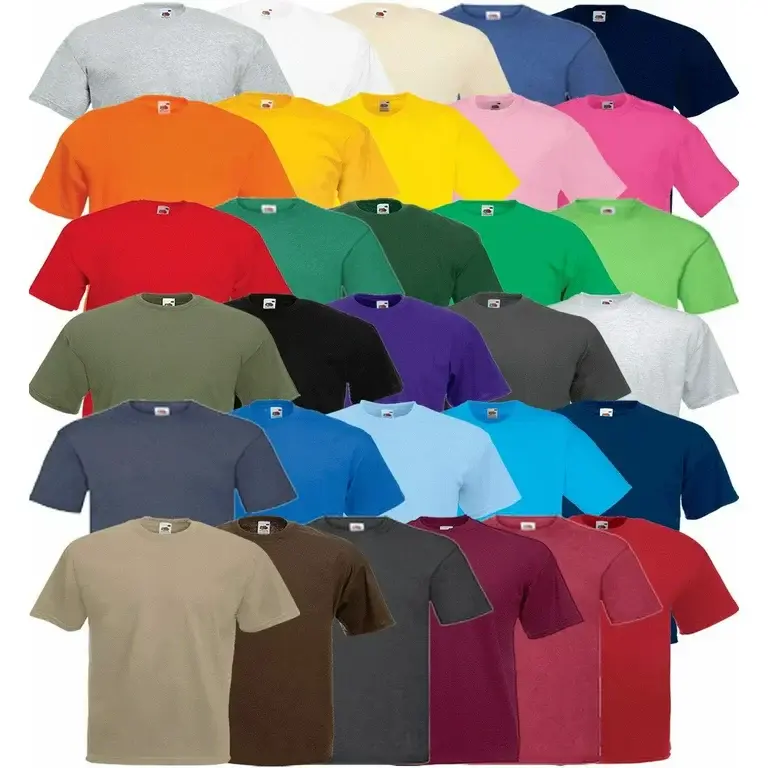
T Shirts

For the best sublimation printing results, a white, 100% polyester t-shirt is generally recommended. However, some poly-cotton blends with a high polyester content (65% or more) can also work well. While 100% cotton t-shirts can be sublimated, they require a special coating or a blend with polyester for the ink to bond effectively.

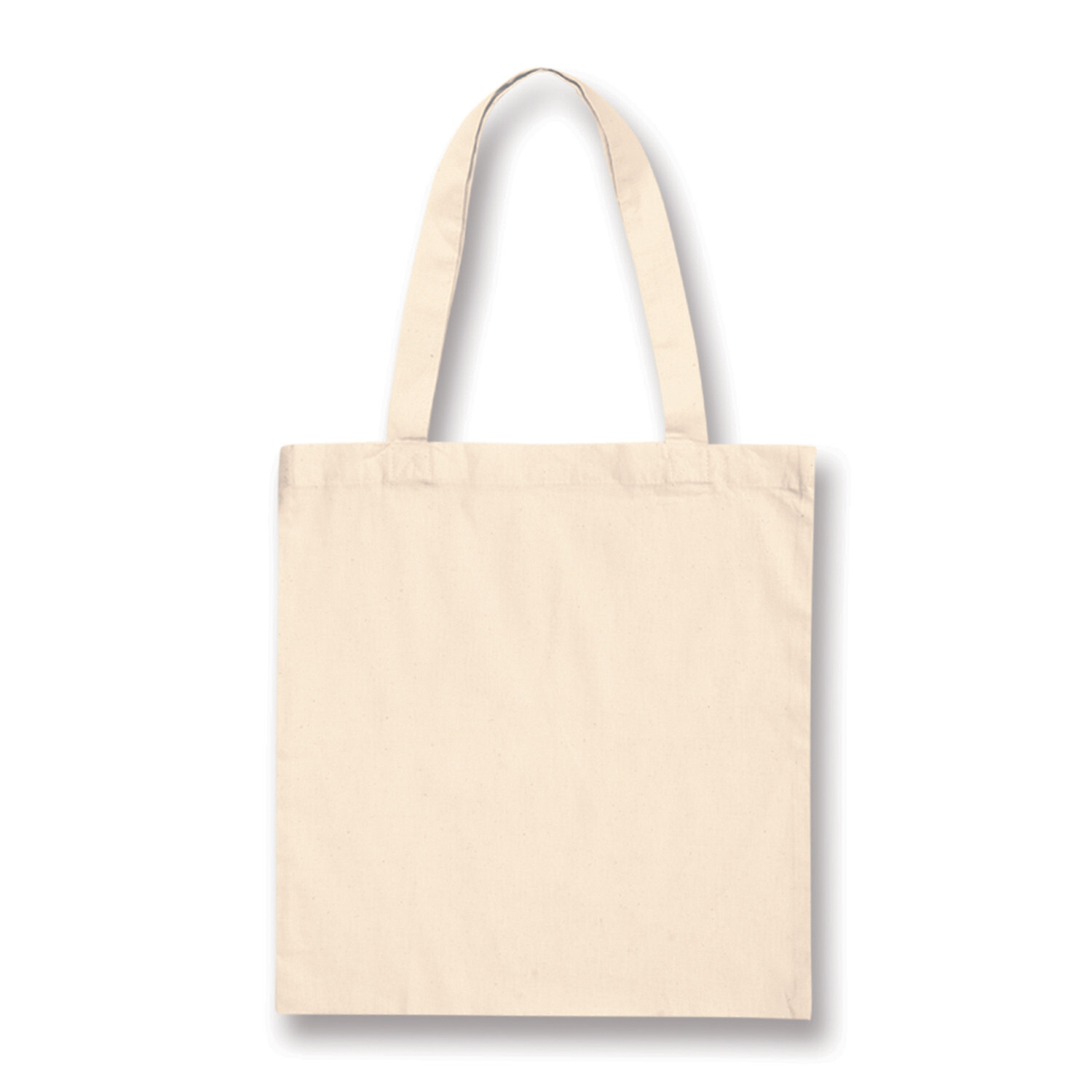
Tote Bag

For tote bags, the best fabric for sublimation printing is 100% polyester. Polyester is highly absorptive of sublimation inks, resulting in vibrant and long-lasting prints that resist fading, wrinkling, and shrinkage. While polyester-cotton blends can be used, 100% polyester offers the most optimal results.

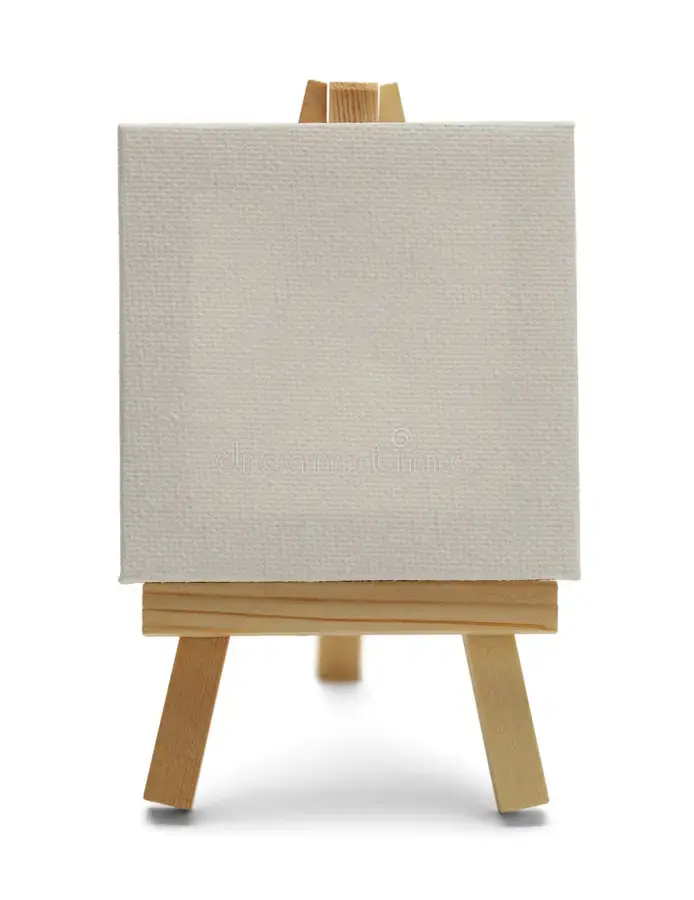
Canvas

Yes, you can sublimate on canvas, especially if it's made of cotton or polyester. However, if it's 100% cotton or dark in color, you may need to use a white heat transfer vinyl (HTV) base layer. Sublimation works by using heat and pressure to transfer a design from sublimation paper onto a material with a polyester or poly-blend coating.

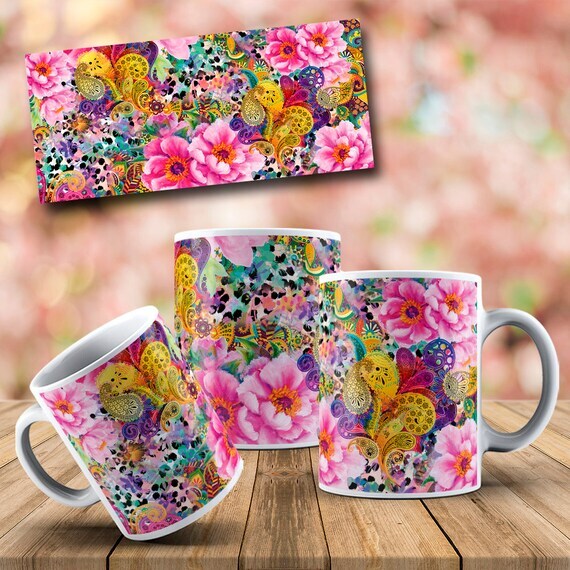
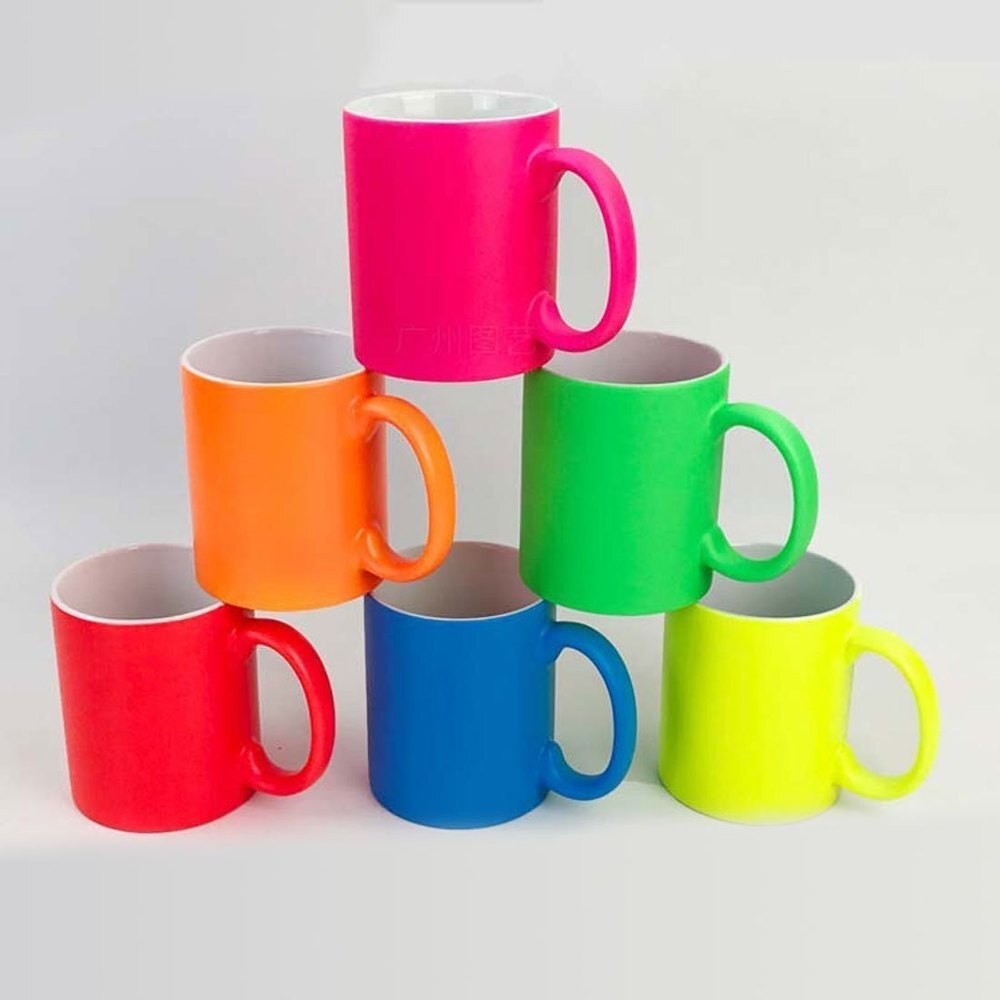
Cups/Mugs

Sublimation ceramic mugs are the most commonly used and provide excellent print quality and durability. Polymer-coated metal mugs offer a different aesthetic and are often lighter in weight.

Plates

You can sublimate on plates that are made of or coated with polyester. This includes ceramic plates with a special sublimation coating, and some metal plates with a polyester coating. Essentially, you need a plate that has a polyester-based layer that will bond with the dye-sublimation ink.

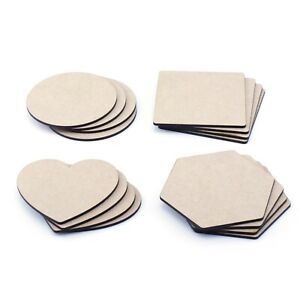
Coasters

The fabric top coasters are excellent for dye sublimation, heat transfer printing and silk screen printing. These drink coasters are made from superior bright white polyester material without a noticeable weave pattern and a flexible rubber backing

Pop Up Store
Sublivibe

Cape Town

sublivibecpt@gmail.com

0817147289


Best Fabric

While other fabrics can be used for sublimation, polyester stands out as the best choice due to its ability to produce vibrant, long-lasting prints

What is the meaning of sublimation printing?

Sublimation printing is a digital printing process that uses heat, pressure, and time to transfer dye onto different materials. Here's the full process: You print a design onto special transfer paper using sublimation inks. Then, you place the printed paper onto a product and heat it with a heat press.